
Families often repeat familiar roles—parent, child, sibling—in ways that feel natural, yet these roles can lock people into patterns of conflict, misunderstanding, and emotional distance. This can feel like a dream world in which everyone is playing their part, but few are truly seen for who they are.
Ending family nightmares begins with noticing how these roles—and the assumptions behind them—shape interactions and relationships. By attending to what each person actually experiences instead of the story they are told to play, families can move toward clarity, mutual support, and authentic connection.
Family Roles and Dreamlike Drama
As parents and caregivers, we often act from roles that feel obligated or expected—roles learned long ago and reinforced by culture and family history. Children also take up roles that reflect how they have been treated and seen. These roles create drama not because people are inauthentic, but because the assumptions behind the roles remain unexamined.
In families stuck in these patterns, roles themselves become limiting: the obedient child, the responsible parent, the peacemaker, or the rebel. Such roles shape behavior without necessarily reflecting the deeper capacities, values, or intentions of the individuals involved.
Shifting from Roles to Shared Experience
Ending family nightmares involves shifting attention from scripted roles to the lived experience of each person. When families listen deeply—not through assumption or judgment, but through open, structured engagement—patterns begin to change. This kind of listening creates new possibilities for connection and mutual respect.
This process does not require conflict avoidance or surface harmony. Instead, it invites attention to what lives beneath the story: emotions, hopes, fears, and aspirations that drive behavior. From this ground, more authentic relationships can grow.
Applying Integral Deep Listening with Families
Integral Deep Listening (IDL) offers practices that support families in this work:
- Respecting experience: Listening first to what is present, without rushing to interpretation or correction.
- Suspending assumptions: Noticing and setting aside assumptions about roles, motives, and intentions.
- Engaging emergent voices: Asking open, curious questions that invite participation from all members, including children.
- Operationalizing understanding: Translating insight into shared, workable actions that support clarity and connection.
This approach respects developmental capacities and encourages participation from all members, helping families cultivate collaboration rather than cycles of automatic reaction.
Outcomes of Deep Family Listening
Families who practice deep listening together often report:
- Greater mutual respect and emotional safety
- Improved clarity in communication and decision-making
- Reduced conflict rooted in unexamined assumptions
- Increased capacity for co-regulation and support
- Stronger bonds grounded in lived experience rather than roles
This practice does not promise the elimination of all discomfort or disagreement. It does, however, create conditions in which families can meet difficulty responsively rather than reactively.
For more on how IDL supports family relationships and shared inner experience, see
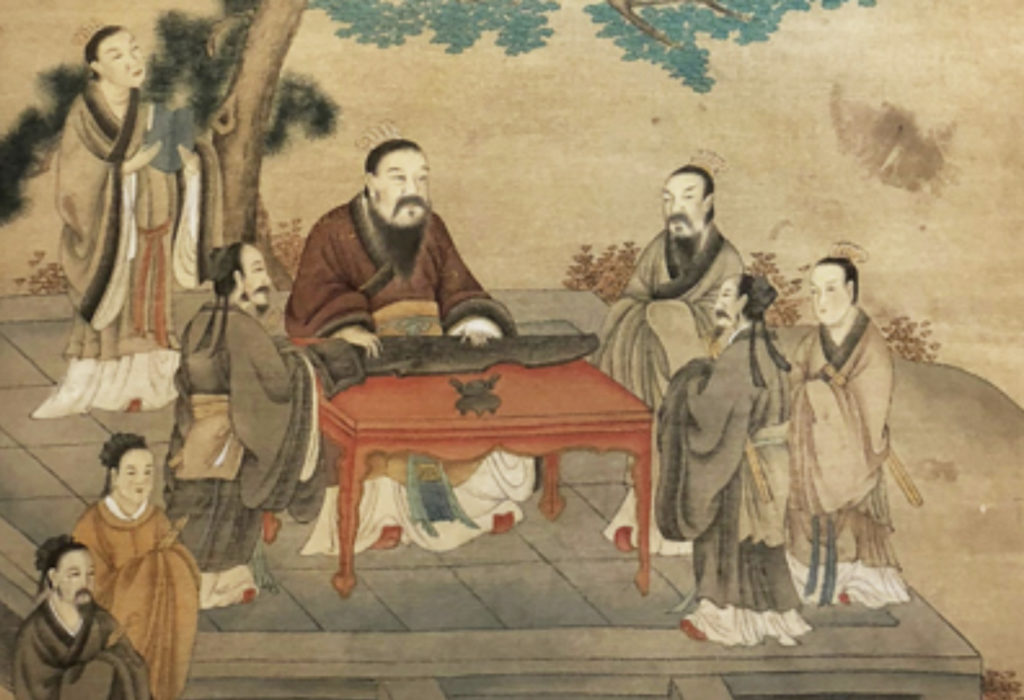
If there be beauty in the character,
there will be harmony in the home.
If there be harmony in the home,
there will be order in the nation.
If there be order in the nation,
there will be peace in the world.
For more information, contact Joseph.Dillard@gmail.com.
While IDL does not accept advertising or sponsored postings, we gratefully accept donations of your time, expertise, or financial support.
[/col] [/row] [/section]Ending Family Nightmares
Families often repeat familiar roles — parent, child, sibling — in ways that feel “natural,” yet these roles can lock people into patterns of conflict, misunderstanding, and emotional distance. This can feel like a dream world in which everyone is playing their part but few are truly seen for who they are.
Ending family nightmares begins with noticing how these roles — and the assumptions behind them — shape interactions and relationships. By attending to what each person actually experiences instead of the story they are told to play, families can move toward clarity, mutual support, and authentic connection.
Family Roles and Dreamlike Drama
As parents and caregivers, we often act from roles that feel obligated or expected — roles that were learned long ago and reinforced by culture and family history. Children also take up roles that reflect how they have been treated and seen. These roles create drama, not because the people involved are inauthentic, but because the drama arises from assumptions that go unexamined.
In families stuck in these patterns, roles themselves can become limiting: the “obedient child,” the “responsible parent,” the “peacemaker,” or the “rebel.” These roles shape behavior without necessarily reflecting the deeper capacities, values, or intentions of the individuals playing them.
Shifting from Roles to Shared Experience
Ending family nightmares involves shifting focus from scripted roles to the actual lived experience of each person. When families listen deeply to one another — not through assumption or judgment, but through open, structured engagement — patterns begin to change. Listening in this way creates new possibilities for connection and mutual respect.
This process does not require conflict avoidance or surface harmony. Instead, it invites families to notice the lived experience beneath the story: the emotions, hopes, fears, and aspirations that drive behavior. From this soil, more authentic relationships can grow.
Applying Integral Deep Listening with Families
Integral Deep Listening (IDL) provides a set of practices that support families in this work:
- **Respecting Experience:** Listen first to what is present, without rushing to interpretation or correction.
- **Suspending Assumptions:** Notice and table assumptions about roles, motives, and intentions so they don’t filter what is heard.
- **Engaging Emergent Voices:** Ask curious, open questions that invite contributions from all members, including children.
- **Operationalizing Understanding:** Translate insights into clear, shared actions that support connection and clarity.
This approach respects developmental capacities and encourages participation from all members. In doing so, it helps families create a culture of collaborative understanding rather than a cycle of automatic reactions.
Outcomes of Deep Family Listening
Families that practice deep listening together often report:
- Improved mutual respect and emotional safety
- Greater clarity in communication and decision-making
- Reduced conflict rooted in unexamined assumptions
- Enhanced capacity for co-regulation and support
- Stronger bonds grounded in lived experience rather than roles
This practice does not promise elimination of all discomfort or disagreement, but it does create conditions in which families can engage difficulty responsively rather than reactively.
For more on how IDL supports family relationships and shared inner experience, see Dreaming Healthy Families .